
Burners in Dubai: Reliable Oil and Gas Burner Solutions for Heating and Boiler Systems
Categories:
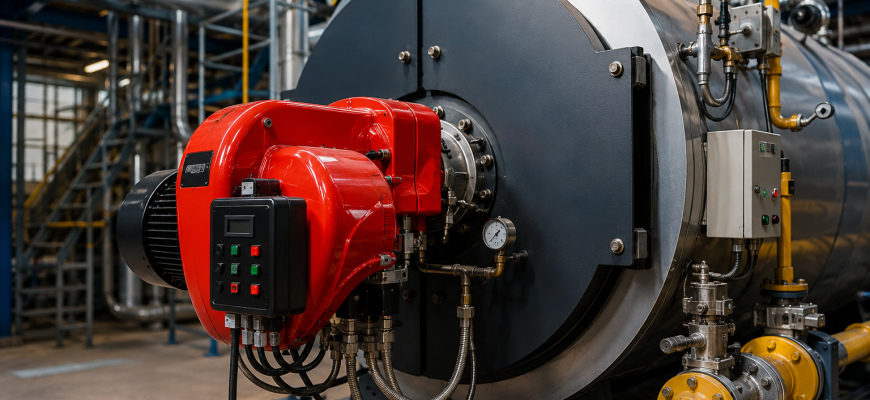
Burners are critical components in boilers, water heaters, furnaces, and many industrial heating systems. They are responsible for creating controlled combustion by mixing fuel and air in the correct proportion. For safe and efficient heating performance, choosing reliable Burners in Dubai is essential.
In commercial and industrial facilities, burners are used in steam boilers, hot water boilers, process heating systems, oil and gas fired water heaters, and other thermal applications. The right burner helps improve fuel efficiency, reduce emissions, maintain stable flame operation, and support safe system performance.
Hotline Trading LLC supplies oil and gas fired burners suitable for boiler and heating applications. The burner product page lists features such as energy saving performance, quiet operation, easy maintenance, reliability, and suitability for high-resistance boilers. It also lists gas fired burners available for natural gas, LPG, town gas, and biogas, with one stage, two stage, or modulating operation options.
Why Burners Are Important
A burner directly affects the efficiency and safety of a heating system. Even if the boiler or water heater is high quality, poor burner performance can cause high fuel consumption, unstable operation, incomplete combustion, and increased maintenance issues.
A properly selected burner helps achieve:
Efficient fuel combustion
Stable heating output
Reduced fuel wastage
Lower operating cost
Improved safety
Better system control
Smooth boiler operation
Reduced downtime
For industries in Dubai, where energy efficiency and reliable operation are important, selecting the right burner supplier is a key decision.
Types of Burners Used in Dubai
Different applications need different burner types depending on fuel availability, heat demand, system design, and operational requirements.
1. Gas Fired Burners
Gas fired burners are widely used in commercial and industrial heating systems. They can operate on natural gas, LPG, town gas, or biogas. These burners are commonly used in boiler systems, water heaters, and process heating equipment.
Gas fired burners are preferred where gas supply is available and clean combustion is required.
2. Oil Fired Burners
Oil fired burners are suitable for systems using light distillate oil or similar fuels. They are often used in boilers, water heaters, and facilities where gas supply may not be available.
The burner page lists oil fired burner features such as energy saving performance, quiet operation, easy maintenance, and compatibility with environmental requirements.
3. Dual Fuel Burners
Some systems require flexibility between oil and gas. Dual fuel burners allow switching between fuel types depending on availability, cost, or operational requirement.
4. Modulating Burners
Modulating burners adjust the firing rate based on heat demand. This helps improve efficiency and reduce fuel wastage, especially in systems with changing load requirements.
Applications of Burners in Dubai
Burners are used across many sectors in Dubai and the UAE, including:
Hotels and hospitality facilities
Hospitals and healthcare buildings
Laundry and textile industries
Food processing units
Manufacturing facilities
District heating and hot water systems
Commercial kitchens
Industrial plants
Boiler rooms
Oil and gas support industries
In each application, the burner should be selected according to boiler capacity, fuel type, combustion control requirement, and safety standards.
Key Features to Look for in Burners
When selecting Burners in Dubai, customers should consider technical and operational factors.
Energy Efficiency
Fuel cost is a major operating expense in heating systems. Energy-efficient burners help reduce fuel consumption and long-term cost.
Easy Maintenance
Industrial heating systems require regular maintenance. Burners designed for easy service access reduce downtime and support smooth operation.
Quiet Operation
Noise control is important in commercial buildings, hospitals, hotels, and residential support facilities. Quiet burner operation can improve working conditions.
Fuel Compatibility
The burner should match the available fuel type, such as natural gas, LPG, oil, or biogas.
Control Options
Depending on the system requirement, burners may be selected for on/off, high/low, two stage, or modulating operation.
Safety and Standards
Burners should be designed according to relevant safety and performance standards. The listed burner details include European standards EN267 and EN676 for certain oil and gas fired burner applications.
Why Choose Hotline Trading LLC?
Hotline Trading LLC is a trusted supplier for Burners in Dubai, offering burner solutions for boiler and hot water applications. The company supports customers with product selection, technical guidance, and integration with heating systems.
Customers choose Hotline Trading LLC for:
Oil and gas burner options
Support for boiler and water heater applications
Energy efficient burner solutions
Reliable and maintenance-friendly products
Technical knowledge in steam and hot water systems
Turnkey support for heating equipment requirements
Conclusion
Burners are the heart of any combustion-based heating system. The right burner improves efficiency, safety, reliability, and long-term system performance. Whether you need burners for boilers, water heaters, industrial systems, or commercial heating applications, working with an experienced supplier is important.
If you are looking for quality Burners in Dubai, Hotline Trading LLC can support your project with reliable oil and gas burner solutions.